





Palmerbet Sign Up: Start With The Basics
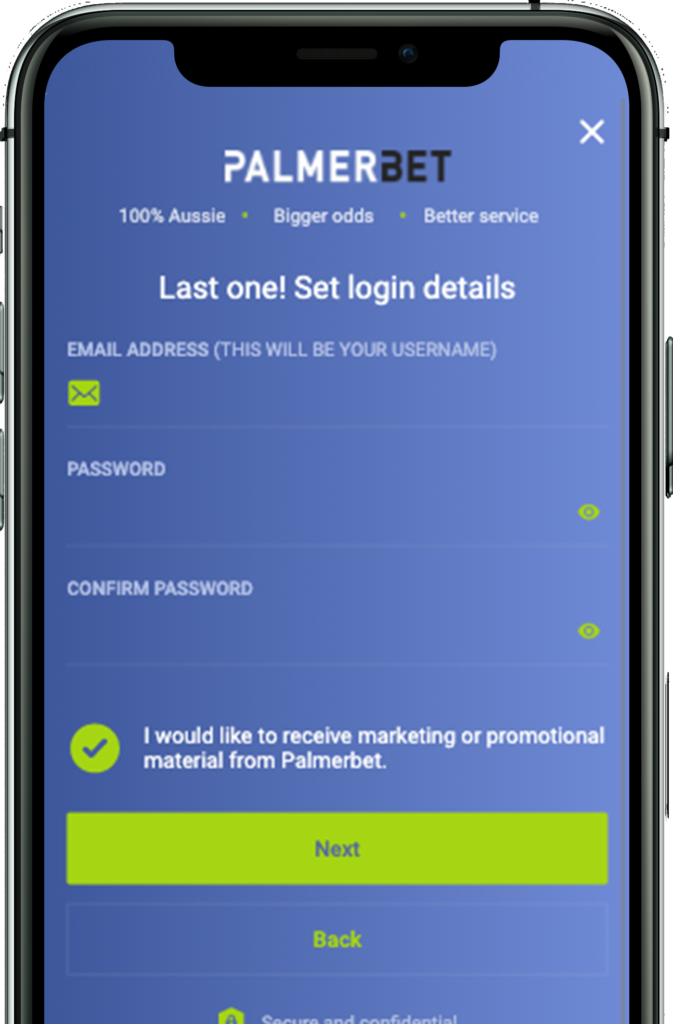
Before opening a profile, decide what kind of session you actually want. Most readers focus on the fun part first, but the smoother move is to think about setup: identity details, contact confirmation, password strength, and a payment method that belongs to you. For users in Australia, that basic preparation usually matters more than chasing the fastest possible start.
Imagine filling out the form while multitasking on a break. It feels harmless to rush, yet small mistakes - an old number, a typo in your surname, a card that does not match the account name - can create avoidable friction later. A careful first pass saves time when you eventually deposit, verify the account, or ask for a withdrawal.
There is another early choice that often gets ignored: boundaries. If you already know what amount feels comfortable for a first transfer and how long a typical session should last, the platform becomes easier to manage. Instead of improvising every step, you enter with a plan.
Information To Prepare Before You Register
Most players only need the basics: real personal details, an active email, a working mobile number, and a funding option under their own name. None of that is complicated, but it becomes important the moment the account asks for confirmation or a later payment review checks whether everything lines up. Clean details make later steps simpler.
Picture a player who wants to try a short evening session after work. If their information is already accurate, they can confirm the account, add a modest amount, and move forward without much fuss. If it is messy, the same evening turns into a long cycle of edits, prompts, and repeated checks.
Daily Access Should Feel Predictable
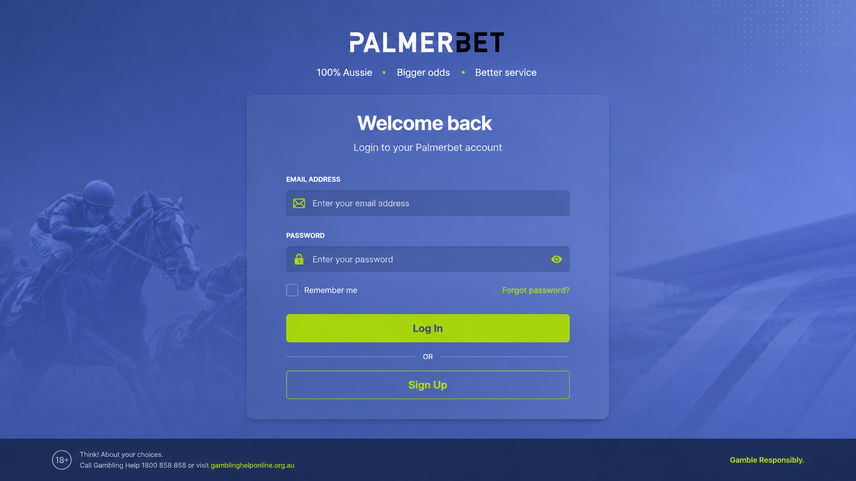
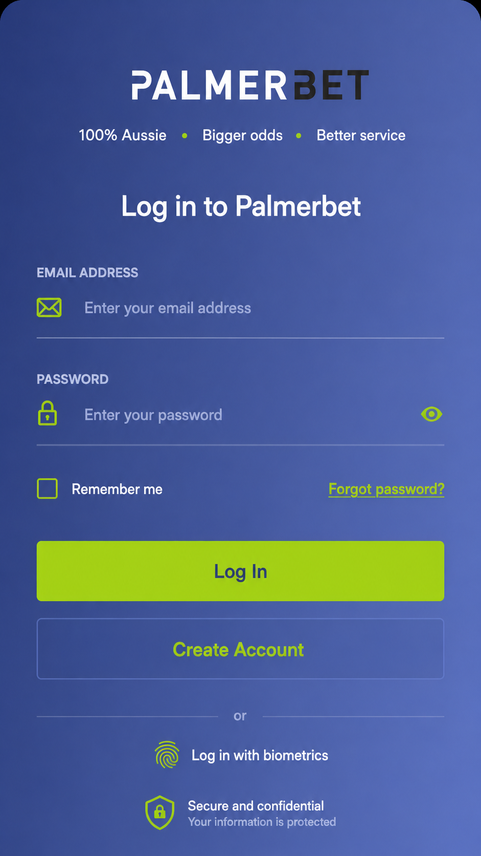
Once the profile exists, daily use matters more than the sign-up moment. Entering the account should be simple: type credentials, complete an extra check if prompted, and land in a dashboard where balance, categories, and settings are easy to find. In 2026, users expect routine actions to feel calm and obvious, not crowded and noisy.
If you are using Palmerbet in Australia a few times a week, account entry becomes part of habit. Maybe you log in after dinner, review your balance, play for a short stretch, then leave. That is why a smooth sign-in flow matters so much - it either clears the path or creates irritation every single session.
Security checks can be annoying, but they also serve a purpose. Imagine logging in from a new phone the same day you change your password. A quick confirmation step may slow you down, yet it can also stop someone else from walking into the account through an old saved session or reused credential.
What The Member Area Should Show
After entry, most players look for the same things: their balance, game or betting categories, recent activity, and wallet tools. The better the separation between those areas, the fewer mistakes users make. A clear dashboard reduces misclicks and helps people move directly to the action they intended.
Usually the test is very practical. Open the account, find your transaction history, switch categories, then return to the wallet without getting lost. If you can do that in a minute or two, the layout is probably working. If every move feels like hunting, the design is doing too much and helping too little.
Short Sessions On Busy Days
A strong platform should also work when life is moving fast. Think of someone checking in for fifteen minutes before heading out. They do not want a tour or a wall of promotions. They want to see their balance, reach the right section, and leave just as easily. Good session flow respects that kind of ordinary use instead of demanding constant attention.
Payments, Payouts, And Review Steps
This is where people judge a platform most seriously. Design and game variety matter, but money movement shapes trust. Players usually want four things: a clear method list, visible transaction status, understandable limits, and an obvious place to check what happened after a deposit or payout request.
Deposits often feel quicker because they open the door to activity. Withdrawals can involve more review, especially on newer accounts, after profile changes, or when the system needs to confirm ownership of the payment route. That does not automatically signal a problem. It usually means the platform wants the trail to make sense before funds move out.
Imagine finishing a good session late at night and deciding to cash out. In that moment, most users do not want hype. They want a visible status, a plain explanation of any extra step, and a reasonable sense of what to do next if the request pauses for review.
A simple comparison helps show what players usually pay attention to:
Method Type | Best Use Case | First Thing Players Check | Common Friction Point |
|---|---|---|---|
Card Payment | Quick account funding | Name match and confirmation | Extra bank approval |
Bank Transfer | Planned larger transfers | Processing window | Slower movement |
Digital Wallet | Everyday convenience | Wallet ownership | Additional review prompt |
Mixed Setup | Flexible money management | Which route can receive payouts | Needing to retrace deposit history |
The main lesson is that speed is only one variable. Compatibility, record clarity, and matching account details often matter just as much. Many problems start not because the method is bad, but because the method and the profile history do not fit together cleanly.
When A Cash-Out Takes Longer Than Expected
A delayed payout is frustrating, but delay alone does not mean failure. Reviews often happen after a recent password reset, a device switch, a change in contact details, or a request to send funds through a route that does not match earlier activity. In those moments, the best response is usually the simplest one: read the request carefully, send the exact item asked for, and avoid flooding support with unrelated screenshots.
Imagine changing your phone number, logging in from a tablet, and then requesting a withdrawal on the same day. Even when everything is legitimate, that sequence may trigger another check. Players usually get through it faster when their details are tidy and their response is focused.
Mobile Use Changes Player Habits
For many users, mobile is not the backup version anymore. It is the main way they enter the platform. That means buttons need to be readable, menus need to stay clear on smaller screens, and core account tools cannot disappear behind layers of clutter. The experience should work during short breaks, not only during long desktop sessions.
Picture opening the app or mobile browser while waiting for coffee. You want to check your balance, find your preferred category, and maybe make one small transfer. You do not want tiny text, overlapping pop-ups, or hidden control settings. A good smaller-screen layout keeps essential tools close and noise further away.
Mobile play also tends to shorten decision time. Because deposits, category changes, and re-entry happen faster on a phone, restraint tools become even more important. Visible limits, quick logout, and timeout controls help keep the session intentional rather than automatic.
Smaller-Screen Habits That Help
If you mainly play on a phone, test the practical parts first. Open the wallet, review recent activity, switch between two sections, then look for cooling-off settings. Usually that quick check tells you more than any banner can. A player who can find the exit tools as easily as the entertainment tools is using a platform that respects real-life routines.
Support, Safer Play, And Long-Term Fit
Support feels secondary only until something breaks. Then it becomes the whole experience. Good help channels do not need dramatic language; they need clear troubleshooting. Missing codes, locked sessions, payment confusion, or document requests all become easier when support explains the next step in plain language.
Imagine losing access right before a planned session. The best reply is not a speech - it is a checklist. Reset credentials, confirm contact details, complete the requested security step, and try again. Players usually calm down when they are given something concrete to do.
Safer play tools matter for the same reason. Deposit caps, session reminders, timeout options, and self-exclusion controls should be easy to locate before emotions rise. Usually people think about these settings after a long session or an expensive one. The smarter time to set them is earlier, when judgment is clear and there is no urge to chase anything.
In the end, Palmerbet is easiest to judge through ordinary actions. Can you enter the account without friction? Can you understand where money is moving? Can you find limits and support without digging? If those daily functions work well, the platform is more likely to fit adults in Australia who meet local age requirements and want a controlled, practical experience rather than noise.